


NEWS
-
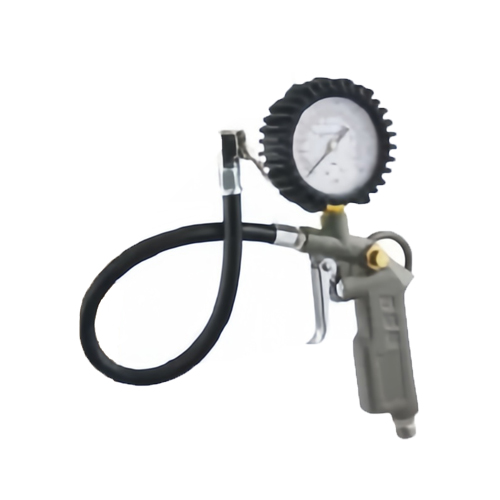
How to Choose the Right Automobile Tire Inflating Gun for Automotive Applications
Choosing the right Automobile Tire Inflating Gun can make tire maintenance more convenient and efficient.
-
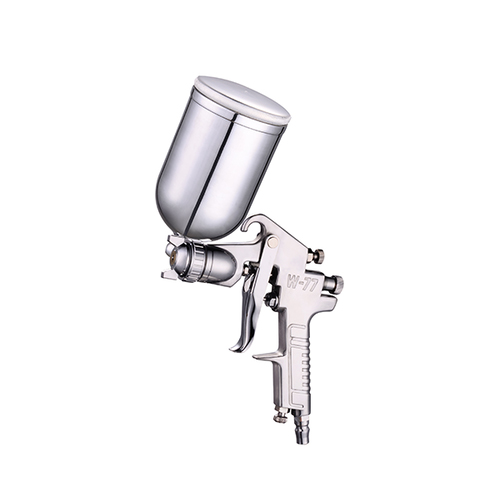
Low Pressure Air Spray Guns for Furniture, Automotive and Industrial Coating
Surface coating plays an important role in protecting materials and improving product appearance.
-
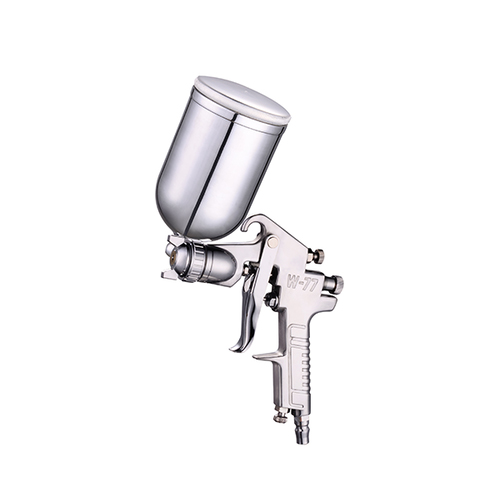
What to Consider When Choosing Low Pressure Air Spray Guns
Choosing the right spray equipment is essential for achieving efficient and consistent coating results. Different paints, coatings, surfaces, and working environments require different spraying solutions.
-
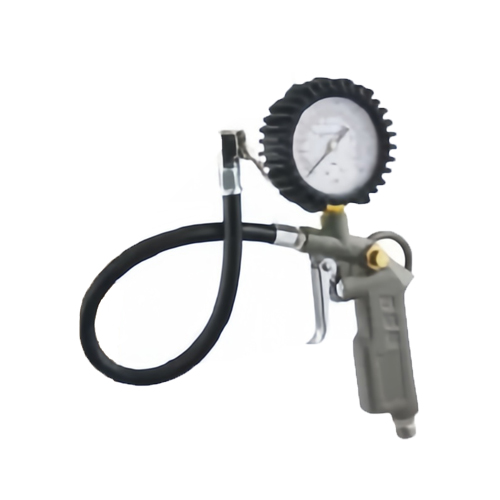
Automobile Tire Inflating Guns: Improving Efficiency in Professional Tire Service
As vehicle maintenance becomes increasingly focused on efficiency and accuracy, reliable tire inflation equipment plays an important role in garages, tire shops, service stations, and automotive repair facilities.
-
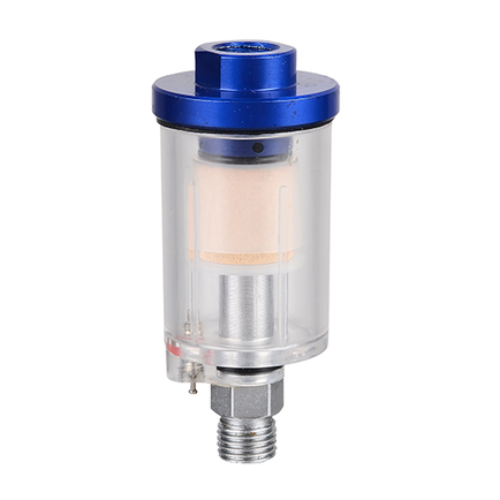
Why a Moisture Filter for Spray Paint Gun Pneumatic Systems Matters for Better Finishing
When using pneumatic spray painting equipment, compressed air quality has a direct impact on coating performance. Moisture, oil particles, and other contaminants in the air line can affect paint atomization and create surface defects.
-
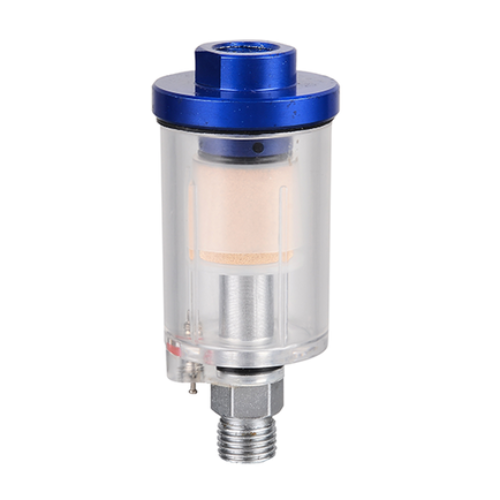
How to Choose the Right Pneumatic Moisture Filter for Spray Painting
A spray paint gun relies on clean and stable compressed air to achieve proper atomization. However, compressed air from an air compressor may contain moisture, dust, oil, and other particles.
-
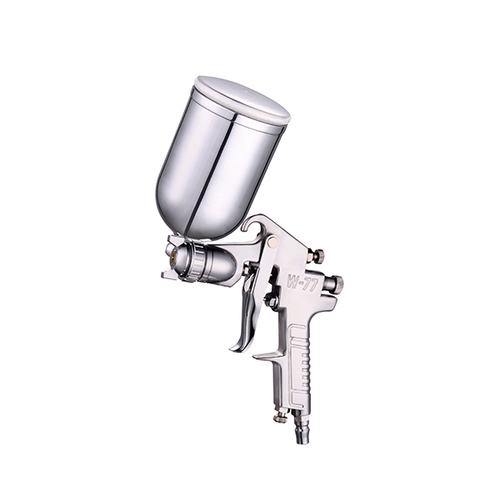
How Low Pressure Air Spray Guns Improve Painting Efficiency and Finish Quality
In professional painting and surface finishing applications, equipment selection has a direct impact on coating quality, material consumption, and overall work efficiency.
-
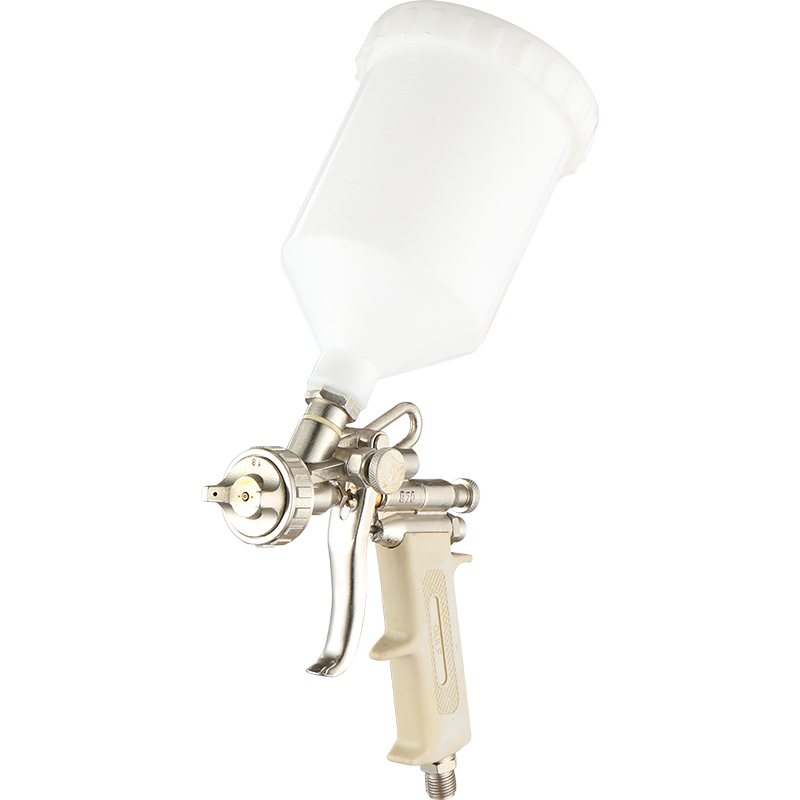
Advanced Pressure-Fed Automatic Spray Gun Technology Improves Coating Efficiency for Global Manufacturers
With increasing demand for premium surface finishes and sustainable manufacturing, the High-Precision And High-Efficiency Pressure-Fed Automatic Spray Gun is becoming an essential component of automated coating systems worldwide.
-
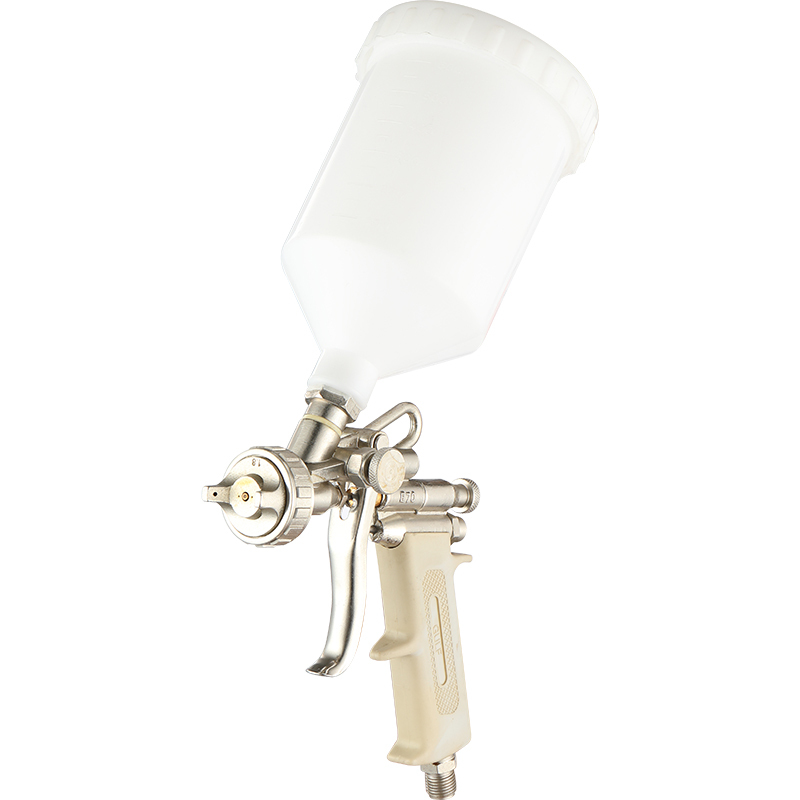
High-Precision And High-Efficiency Pressure-Fed Automatic Spray Gun Enhances Modern Industrial Coating Solutions
The global industrial coating industry continues to demand higher productivity, superior finish quality, and lower material waste. The High-Precision And High-Efficiency Pressure-Fed Automatic Spray Gun has emerged as an ideal solution for manufacturers seeking consistent coating performance across high-volume production lines.
-
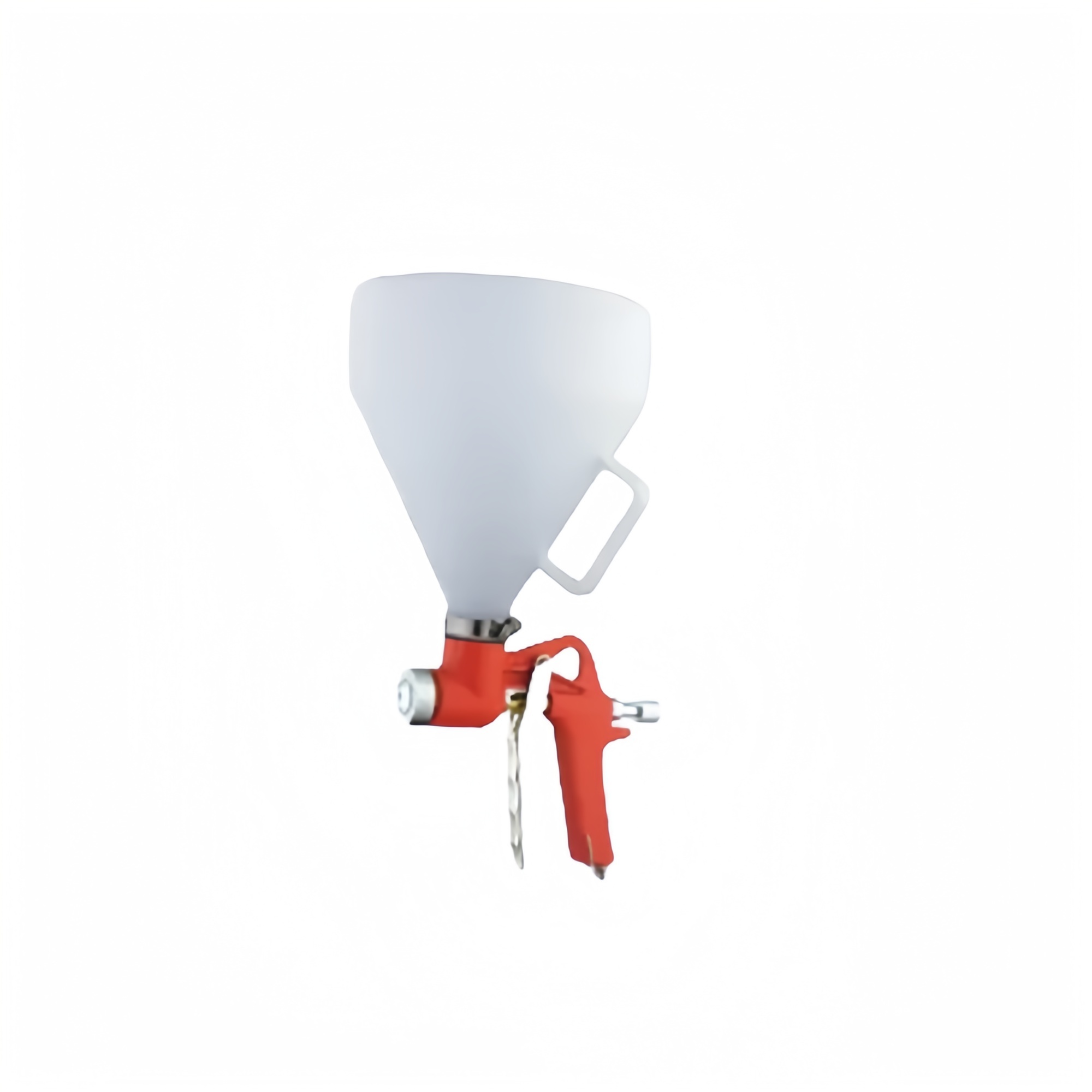
Hopper Guns Manufacturer Spotlight: BaiShiShun Pneumatic Tools Drives Efficient Surface Cleaning Solutions
As surface preparation and industrial cleaning standards continue to rise, the role of hopper guns in workshops, automotive repair centers, and manufacturing plants has become increasingly important. As a professional Hopper Guns Manufacturer, BaiShiShun Pneumatic Tools is gaining attention for delivering practical, high-performance solutions designed to improve cleaning efficiency, operator comfort, and long-term reliability.
-
Why Does My Air Duster Gun Release Liquid or Freeze Surfaces
If your air duster gun sometimes sprays liquid or causes surfaces to feel icy cold, it can be surprising—and even worrying. This behavior is usually normal and related to how compressed air and propellants behave during rapid release.
-
How to Reduce the Loud Noise from an Air Duster Gun
Air duster guns are effective for cleaning, but their sharp, high-pitched noise can be disruptive and uncomfortable, especially in workshops or indoor spaces. Reducing noise isn’t just about comfort—it also improves safety and working conditions.
