


Automatic Spray Gun vs Manual Operation: How Automation Is Transforming Modern Coating Applications
2026-01-05
As industries worldwide increasingly prioritize efficiency, consistency, and environmental compliance, the debate between automatic spray guns vs manual operation has taken center stage in manufacturing and finishing sectors. From automotive production and furniture manufacturing to electronics and industrial equipment, choosing the right spraying method can significantly impact coating quality, material usage, and overall productivity.
Automatic spray guns are engineered for precision, speed, and repeatability. Often integrated into robotic arms or automated production lines, these systems deliver uniform coatings with minimal human intervention. By maintaining consistent pressure, spray patterns, and flow rates, automatic guns reduce errors, overspray, and material waste. This level of control is particularly valuable in high-volume industries such as automotive assembly, where each vehicle requires exacting standards for paint thickness, gloss, and surface smoothness.
In contrast, manual spraying relies on skilled operators to control air pressure, distance, and spray pattern. While manual operation offers flexibility for intricate or small-scale tasks, it is more susceptible to human error, uneven coverage, and slower production rates. Skilled operators can achieve professional results, but maintaining consistency across large batches is challenging, often leading to rework or higher material consumption.
One of the key advantages of automatic spray guns is efficiency. Automated systems can operate continuously with minimal downtime, increasing throughput while reducing labor costs. Additionally, they offer environmental benefits: higher transfer efficiency and reduced overspray mean lower paint consumption and fewer volatile organic compound (VOC) emissions, aligning with modern sustainability standards.
Manual spraying still holds value in applications where flexibility and adaptability are essential. Furniture refinishing, custom automotive projects, and small-scale decorative work benefit from the human touch, allowing operators to adjust spraying technique on the fly to achieve artistic or highly detailed finishes.
Industry experts note that many manufacturers now adopt a hybrid approach, combining automatic spraying for large-scale, repetitive tasks with manual operation for precision, customization, or final touch-ups. This balance maximizes efficiency without sacrificing quality, especially in industries with both high-volume and specialty production needs.
As production demands grow and environmental regulations tighten, the choice between automatic spray guns vs manual operation is increasingly clear: automation offers speed, consistency, and sustainability, while manual spraying remains valuable for specialized, detail-oriented projects. Together, these methods define the future of modern coating technology.
RELATED NEWS
-
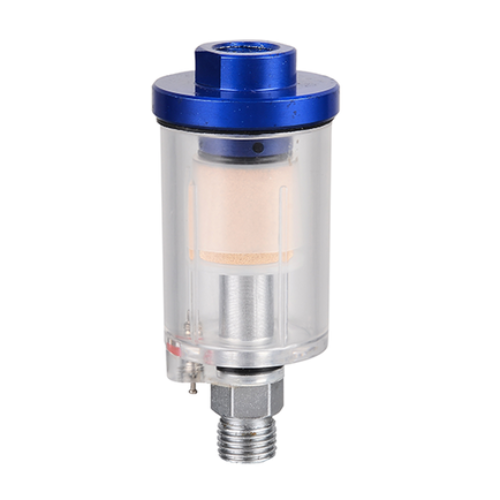
How to Choose the Right Pneumatic Moisture Filter for Spray Painting
A spray paint gun relies on clean and stable compressed air to achieve proper atomization. However, compressed air from an air compressor may contain moisture, dust, oil, and other particles.
-
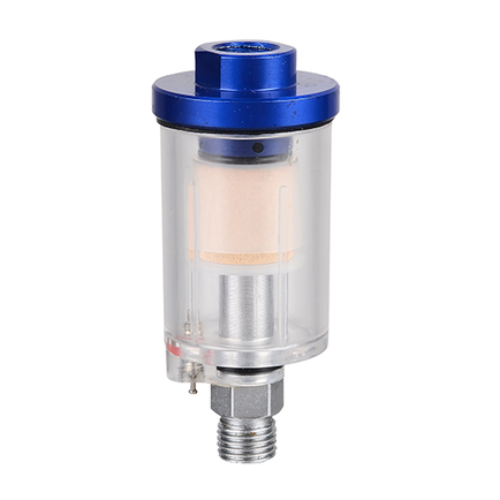
Why a Moisture Filter for Spray Paint Gun Pneumatic Systems Matters for Better Finishing
When using pneumatic spray painting equipment, compressed air quality has a direct impact on coating performance. Moisture, oil particles, and other contaminants in the air line can affect paint atomization and create surface defects.
-
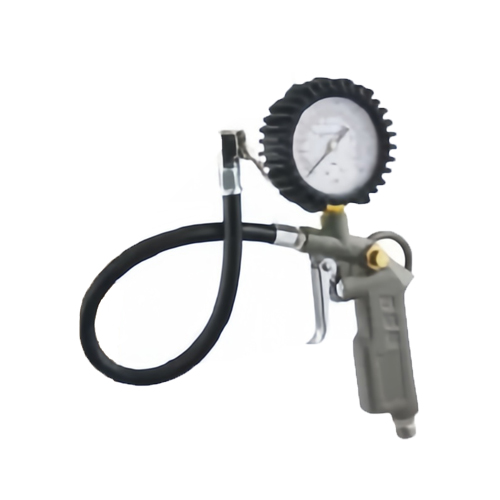
Automobile Tire Inflating Guns: Improving Efficiency in Professional Tire Service
As vehicle maintenance becomes increasingly focused on efficiency and accuracy, reliable tire inflation equipment plays an important role in garages, tire shops, service stations, and automotive repair facilities.
-
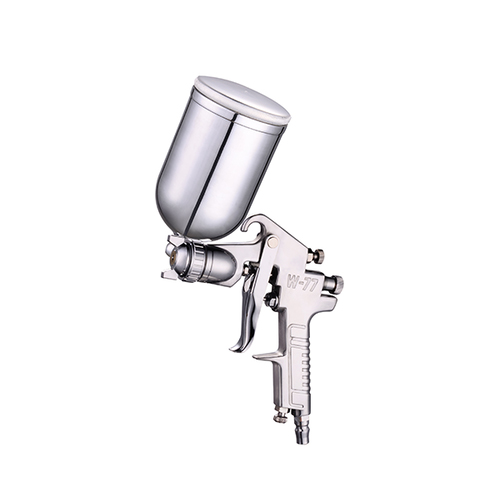
What to Consider When Choosing Low Pressure Air Spray Guns
Choosing the right spray equipment is essential for achieving efficient and consistent coating results. Different paints, coatings, surfaces, and working environments require different spraying solutions.
-
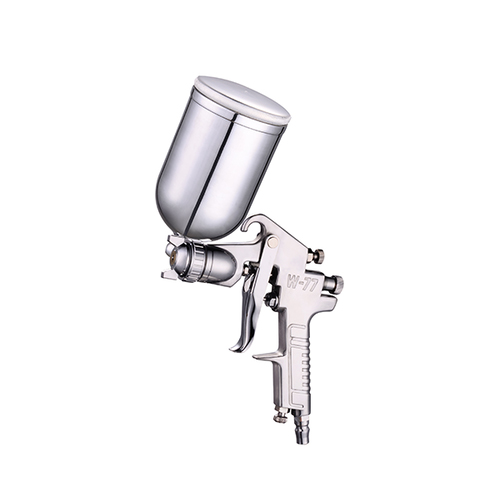
Low Pressure Air Spray Guns for Furniture, Automotive and Industrial Coating
Surface coating plays an important role in protecting materials and improving product appearance.
-
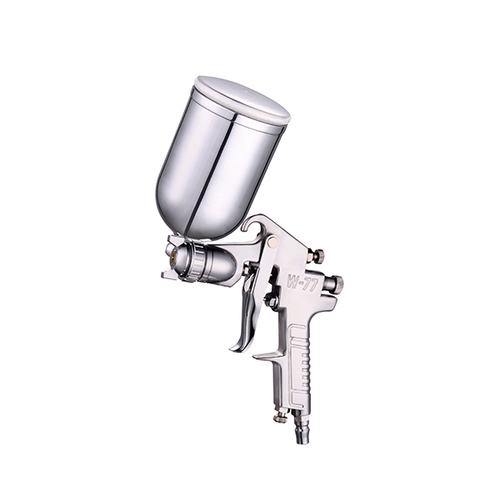
How Low Pressure Air Spray Guns Improve Painting Efficiency and Finish Quality
In professional painting and surface finishing applications, equipment selection has a direct impact on coating quality, material consumption, and overall work efficiency.
-
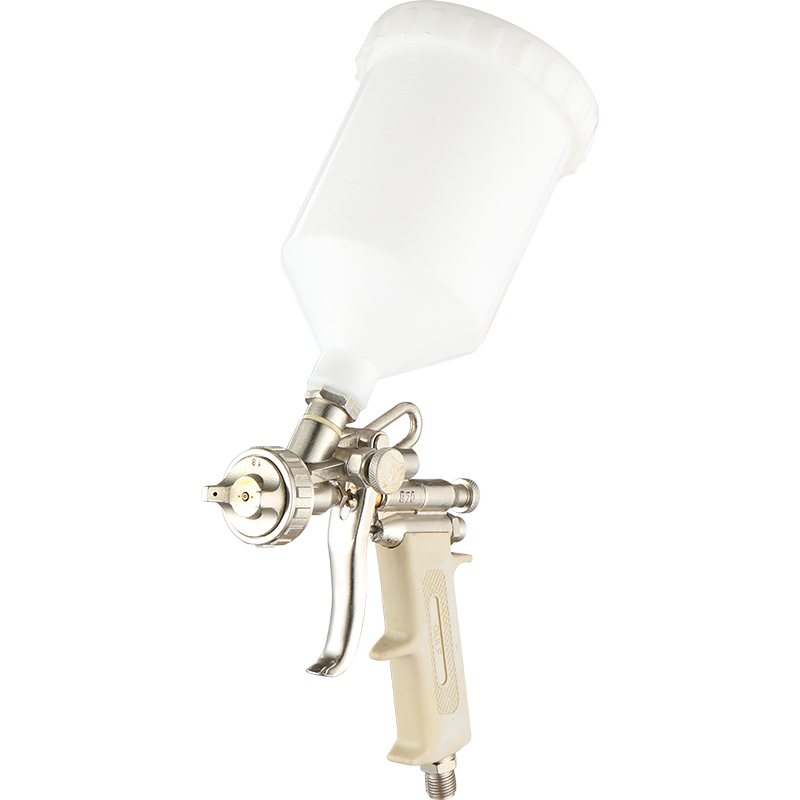
Advanced Pressure-Fed Automatic Spray Gun Technology Improves Coating Efficiency for Global Manufacturers
With increasing demand for premium surface finishes and sustainable manufacturing, the High-Precision And High-Efficiency Pressure-Fed Automatic Spray Gun is becoming an essential component of automated coating systems worldwide.
-
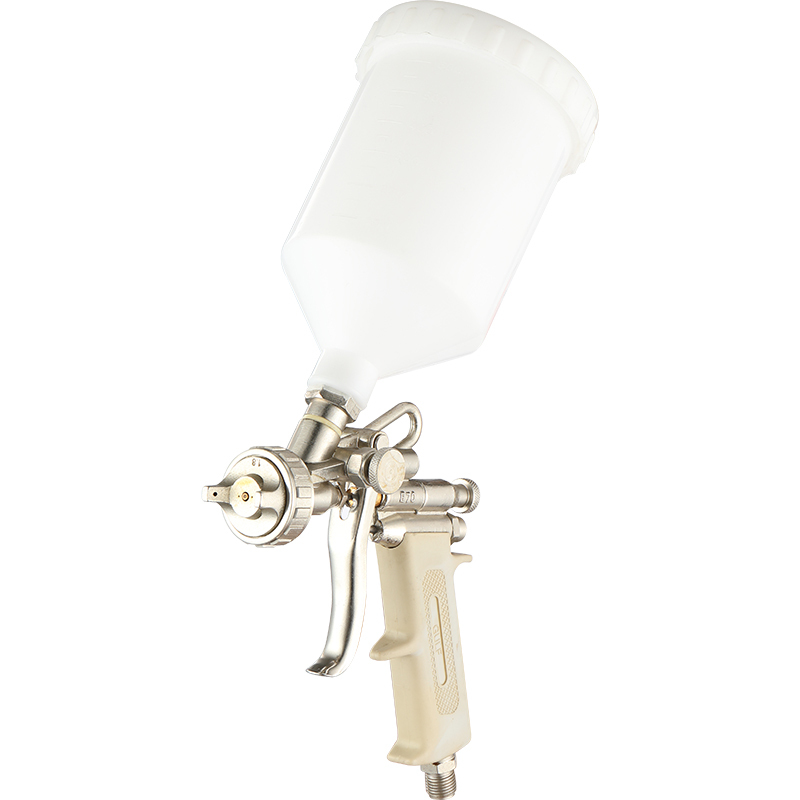
High-Precision And High-Efficiency Pressure-Fed Automatic Spray Gun Enhances Modern Industrial Coating Solutions
The global industrial coating industry continues to demand higher productivity, superior finish quality, and lower material waste. The High-Precision And High-Efficiency Pressure-Fed Automatic Spray Gun has emerged as an ideal solution for manufacturers seeking consistent coating performance across high-volume production lines.
-
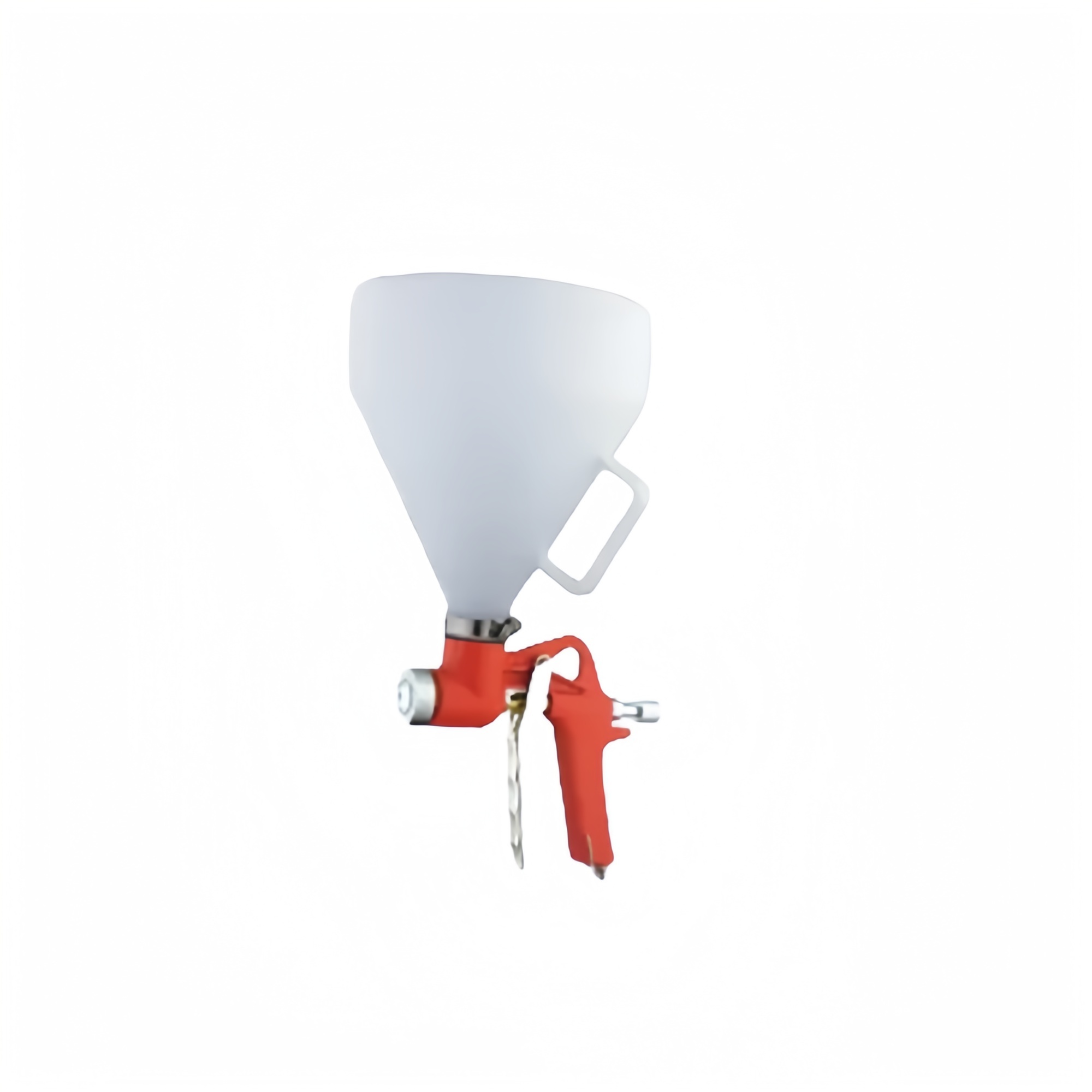
Hopper Guns Manufacturer Spotlight: BaiShiShun Pneumatic Tools Drives Efficient Surface Cleaning Solutions
As surface preparation and industrial cleaning standards continue to rise, the role of hopper guns in workshops, automotive repair centers, and manufacturing plants has become increasingly important. As a professional Hopper Guns Manufacturer, BaiShiShun Pneumatic Tools is gaining attention for delivering practical, high-performance solutions designed to improve cleaning efficiency, operator comfort, and long-term reliability.
-
Why Does My Air Duster Gun Release Liquid or Freeze Surfaces
If your air duster gun sometimes sprays liquid or causes surfaces to feel icy cold, it can be surprising—and even worrying. This behavior is usually normal and related to how compressed air and propellants behave during rapid release.
-
Can Air Duster Guns Effectively Remove Deep Dust from Keyboards or Machinery Crevices
Air duster guns are often the first tool people reach for when cleaning tight spaces, but how effective are they at removing deep, trapped dust? The answer is yes—with the right technique and a few practical limits in mind.
-
How to Reduce the Loud Noise from an Air Duster Gun
Air duster guns are effective for cleaning, but their sharp, high-pitched noise can be disruptive and uncomfortable, especially in workshops or indoor spaces. Reducing noise isn’t just about comfort—it also improves safety and working conditions.
-
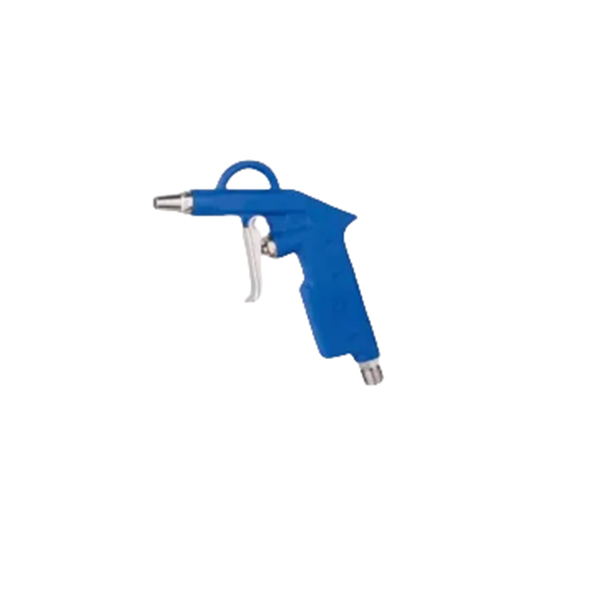
Is It Safe to Use an Air Duster Gun on Sensitive Electronics Like PC Components
Using an air duster gun to clean PC components is common practice, but safety depends on how it’s done. While compressed air can remove dust quickly, improper use may cause damage to delicate electronics.
-
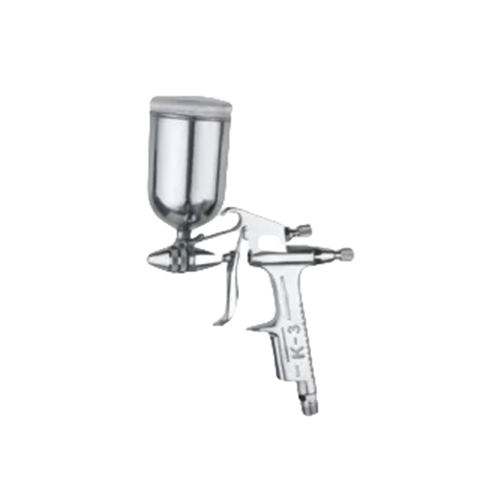
How to Avoid Overspray When Using a Touch-Up Gun on Small Areas
Overspray is a common challenge when using a touch-up gun, especially on small areas like scratches or minor dents. Controlling paint placement not only saves material but also keeps surrounding surfaces clean.
-
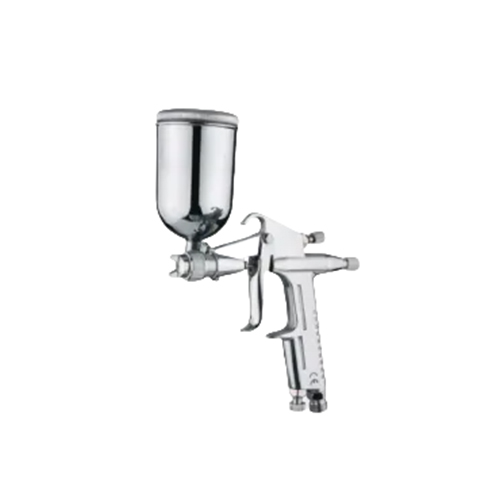
Can a Touch-Up Spray Gun Blend Paint Without Leaving a Visible Edge
Blending paint without leaving a visible edge is one of the main goals of touch-up work. A touch-up spray gun can achieve this, but success depends more on technique and preparation than on the tool alone.
-
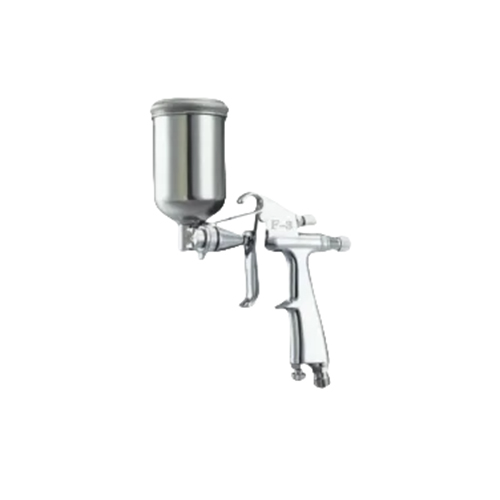
Why Does My Touch-Up Spray Gun Leave Orange Peel Texture or Runs
Orange peel texture and paint runs are two of the most common problems when using a touch-up spray gun. Both issues usually come from small setup or technique mistakes rather than faulty equipment. Understanding the causes makes them much easier to fix.
-
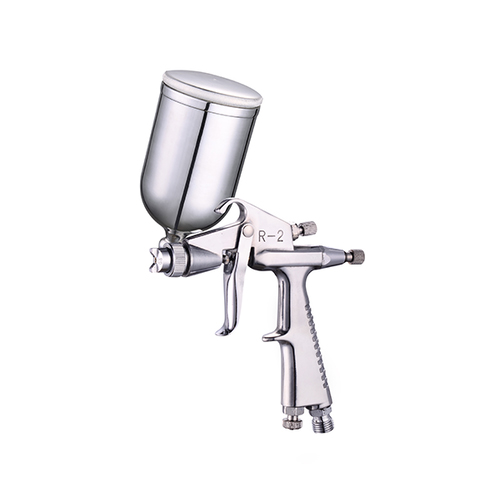
How to Match Factory Paint Color Perfectly with a Touch-Up Spray Gun
Matching factory paint color during touch-up work is one of the hardest parts of achieving an invisible repair. Even small mismatches can stand out under sunlight or different lighting. With the right process and a careful approach, it’s possible to get very close to the original finish.
-
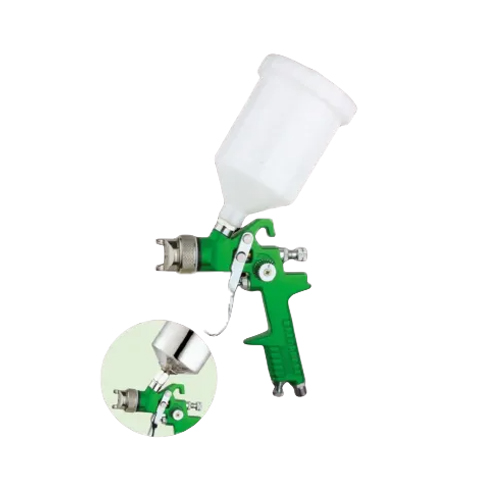
How to Achieve a Professional Finish with an HVLP Spray Gun as a Beginner
Getting a professional-looking finish with an HVLP spray gun is absolutely possible for beginners. The key is understanding a few core techniques and setting up your equipment the right way before you pull the trigger.
-
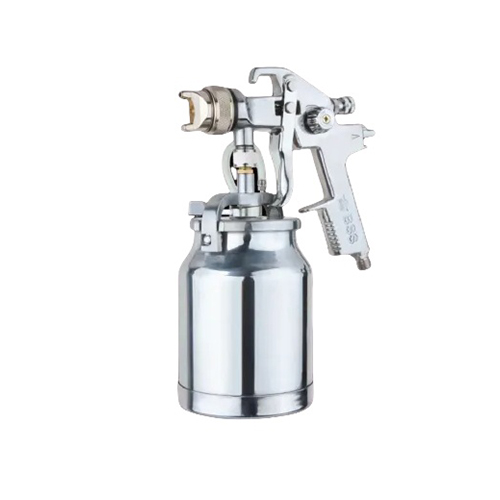
Can HVLP Spray Guns Be Used Effectively with a Standard Air Compressor
HVLP (High Volume Low Pressure) spray guns are designed to deliver fine finishes with minimal overspray, but many users wonder whether a standard air compressor can power them effectively. The short answer is yes—if the compressor meets the right performance requirements.
-
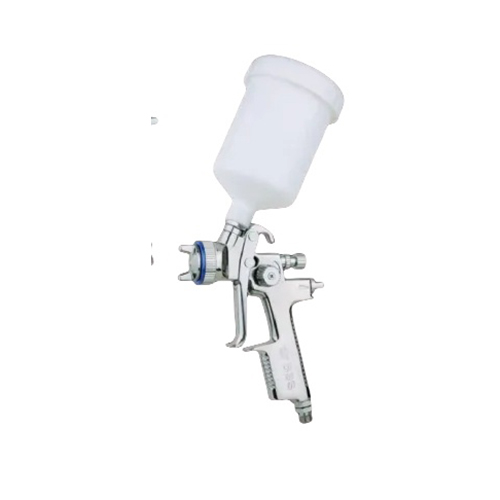
Why Are HVLP Spray Guns Recommended for Automotive Painting and Fine Finishes
HVLP (High Volume Low Pressure) spray guns are widely recommended for automotive painting and fine finishing work because they balance precision, efficiency, and finish quality. In industries where surface appearance matters, this technology delivers practical advantages that traditional high-pressure guns struggle to match.
-
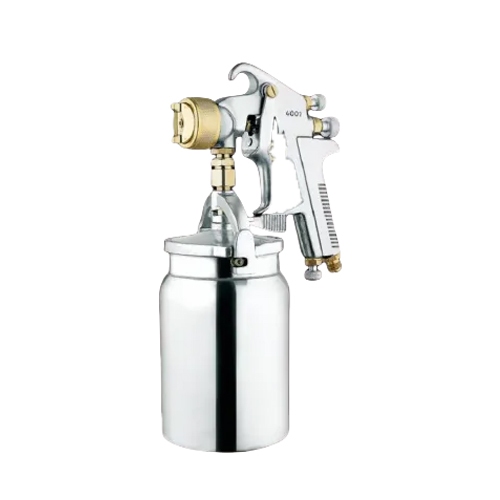
What Are the Main Advantages of HVLP Spray Guns Over Conventional Spray Guns
HVLP spray guns have become a popular choice in automotive refinishing, furniture manufacturing, and industrial coating. Compared with conventional high-pressure spray guns, HVLP technology offers several practical advantages that directly impact finish quality, material efficiency, and workplace safety.
-
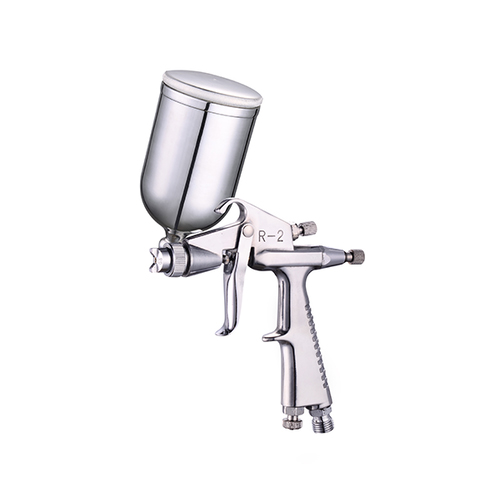
BaiShiShun Pneumatic Tools Emerges as Leading Touch Up Spray Gun Manufacturer
As precision finishing and small-scale painting applications continue to grow across automotive, furniture, and industrial sectors, BaiShiShun Pneumatic Tools has established itself as a top Touch Up Spray Gun manufacturer. The brand is gaining recognition for delivering high-quality, durable, and easy-to-use spray guns designed to meet the demands of professionals and DIY enthusiasts alike.
-
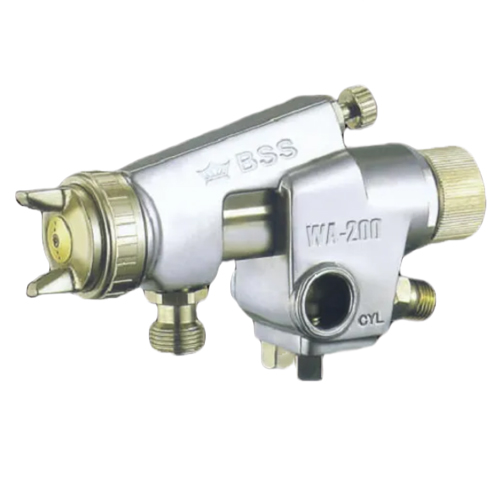
Cost of Automatic Painting Systems: Evaluating the Investment in Automatic Spray Guns
As industries increasingly adopt automation for painting and coating tasks, understanding the cost of automatic painting systems has become essential for manufacturers. Central to these systems are Automatic Spray Guns, which provide consistent, high-quality finishes while reducing material waste and labor requirements.
-
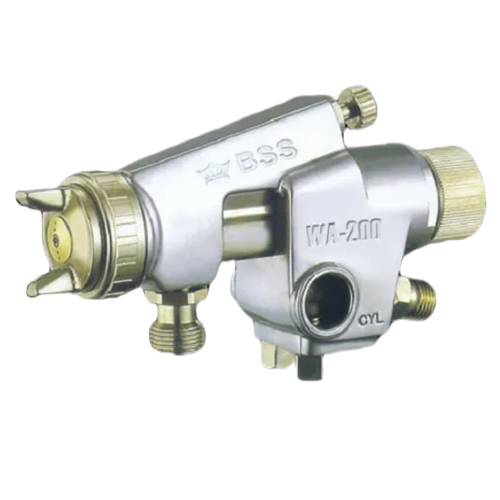
How Do Robotic Spray Guns Work: Revolutionizing Precision and Efficiency in Industrial Coating
As manufacturing industries increasingly prioritize automation, efficiency, and precision, robotic spray guns are becoming a cornerstone of modern coating technology. From automotive production and heavy machinery to electronics and furniture manufacturing, these systems are transforming how coatings are applied. Understanding how robotic spray guns work highlights their critical role in delivering consistent, high-quality finishes at scale.
-
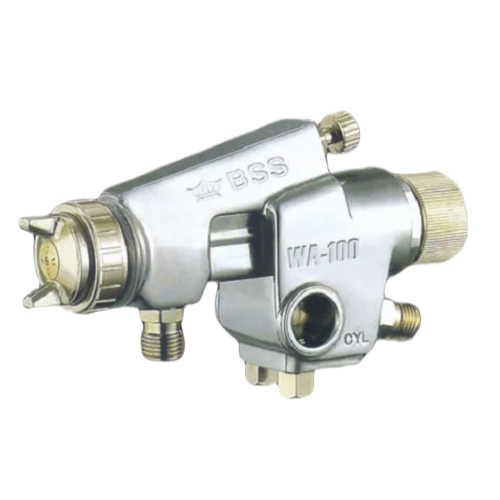
Best Automatic Spray Guns for Industrial Painting: Meeting the Demand for Efficiency and Precision
As industrial manufacturers strive for higher efficiency, consistent quality, and reduced environmental impact, the demand for the best automatic spray guns for industrial painting continues to rise. From automotive production lines to heavy machinery, electronics, and furniture manufacturing, automated spraying systems are transforming the way coatings are applied, ensuring superior finishes while minimizing material waste.
-
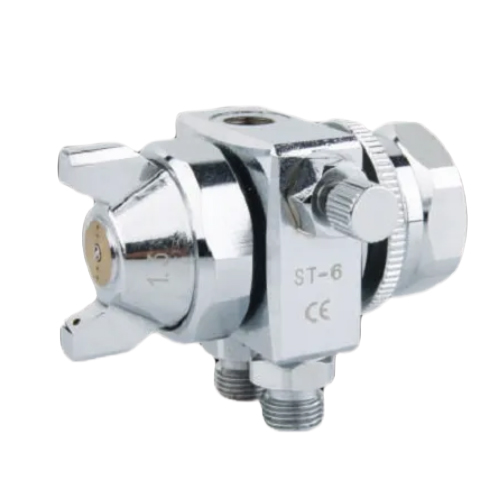
What Are Automatic Spray Guns Used For? Advancing Efficiency and Precision in Modern Coating Applications
As industries continue to pursue higher productivity, consistent quality, and reduced environmental impact, automatic spray guns are increasingly becoming a standard tool in modern manufacturing and finishing operations. Designed for automation, these spray systems deliver precise and uniform coatings across a wide range of materials and surfaces. Understanding what automatic spray guns are used for highlights their critical role in sectors ranging from automotive and electronics to furniture and industrial equipment.
-
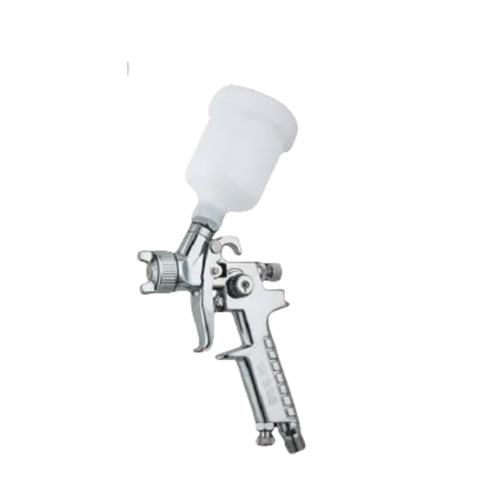
HVLP Spray Gun for Furniture? Rising Popularity Highlights Efficiency and Quality in Modern Woodworking
As the furniture industry embraces precision finishing and eco-friendly practices, the use of HVLP spray guns for furniture has seen a remarkable increase. Both professional craftsmen and DIY enthusiasts are discovering the benefits of HVLP technology, which allows for smooth, uniform coatings while minimizing overspray and material waste. This trend reflects a broader shift toward efficiency, quality, and sustainability in modern woodworking and furniture manufacturing.
-
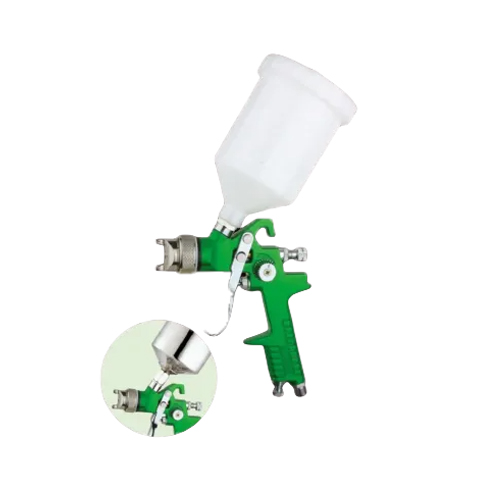
How to Use an HVLP Spray Gun: Rising Interest Drives Demand for Safer, Cleaner, and More Efficient Painting Methods
As consumers and professionals increasingly shift toward eco-friendly and precision-based coating systems, HVLP spray guns are becoming one of the fastest-growing tools in the painting and finishing market. With more DIY painters, furniture makers, and automotive technicians adopting HVLP technology, guidance on how to use an HVLP spray gun has become a popular and essential topic in the industry.
-
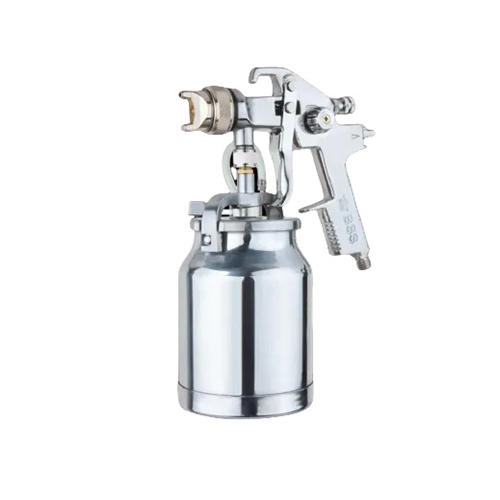
HVLP vs Conventional Spray Gun: Industry Shift Shows Growing Preference for Cleaner and More Efficient Spraying Technologies
As global industries push toward sustainability, precision finishing, and reduced material waste, the comparison between HVLP (High Volume Low Pressure) spray guns and conventional spray guns has become a key topic in the painting and coating sector. Manufacturers, contractors, and DIY users alike are reevaluating their spraying tools, sparking renewed discussion around the advantages of each technology. This rising interest has driven new research and innovation, making HVLP vs conventional spray gun one of the most talked-about subjects in today’s finishing industry.
-

Best HVLP Spray Gun for Beginners: Rising Consumer Demand Fuels Innovation in User-Friendly Coating Tools
As DIY culture continues to grow and more homeowners take interest in furniture restoration, automotive touch-ups, and home improvement projects, the market for beginner-friendly HVLP spray guns is rapidly expanding. With increasing demand for easy-to-use tools that deliver professional-level results, manufacturers are focusing on developing models that simplify spraying techniques without compromising finish quality. This trend has sparked widespread interest in identifying the best HVLP spray gun for beginners.
-
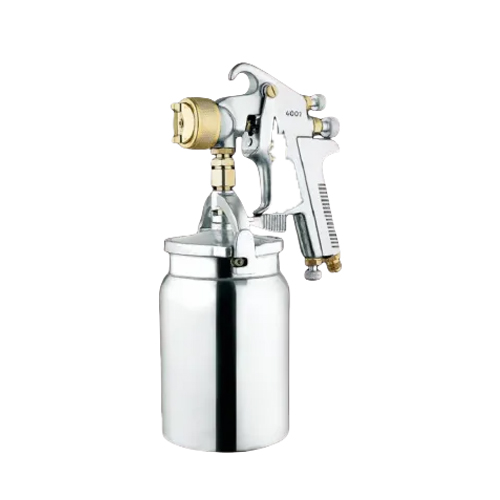
What Is an HVLP Spray Gun Used For? Growing Adoption Highlights a Shift Toward Cleaner and More Efficient Coating Technologies
As industries continue to prioritize sustainability, efficiency, and high-quality finishes, HVLP (High Volume Low Pressure) spray guns are gaining significant attention across global manufacturing, automotive, woodworking, and construction sectors. These tools, known for delivering fine, controlled coatings with minimal overspray, are rapidly becoming the preferred choice for both professionals and hobbyists. But what is an HVLP spray gun used for, and why is it dominating today’s coating and painting applications?
-
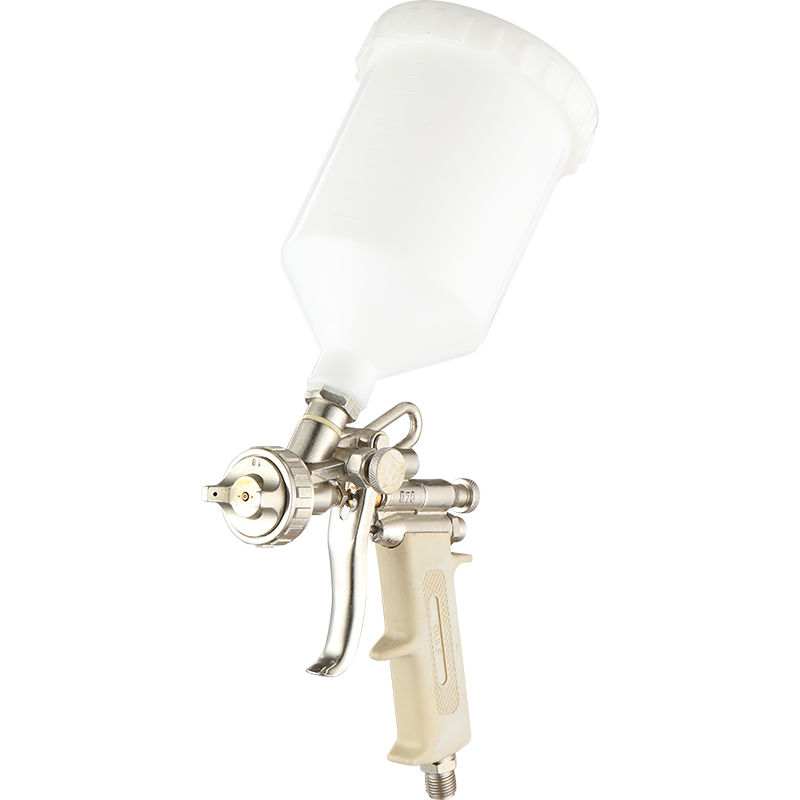
Breakthrough In Coating Technology: High-Precision, High-Efficiency Pressure-Fed Automatic Spray Gun Redefines Industrial Application Standards
A new era in industrial coating has begun with the launch of the Engineered for seamless integration with robotic arms and fixed automated systems, this groundbreaking tool sets a new benchmark for finish quality, material savings, and unparalleled production line consistency.
-
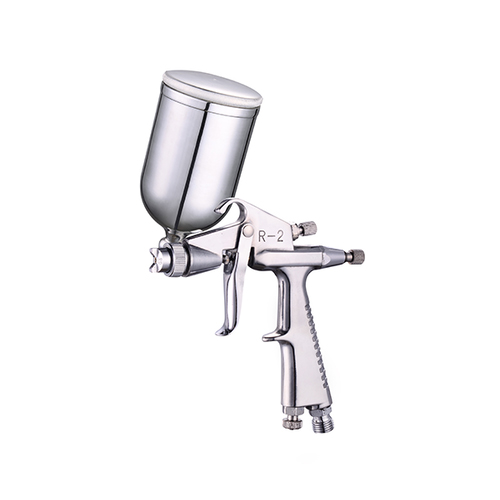
Precision Power for Traditional Finishes: Introducing the Oil-based Manual R-2 Touch Up Air Suction Spray Gun
Catering to professionals and enthusiasts who demand robust performance with traditional materials, ProFinish Tools has unveiled the Manual R-2 Touch Up Air Suction Spray Gun. This heavy-duty, siphon-feed gun is engineered specifically for oil-based paints, enamels, primers, and lacquers, delivering the durable, high-gloss finishes that have been the industry standard for decades.
-
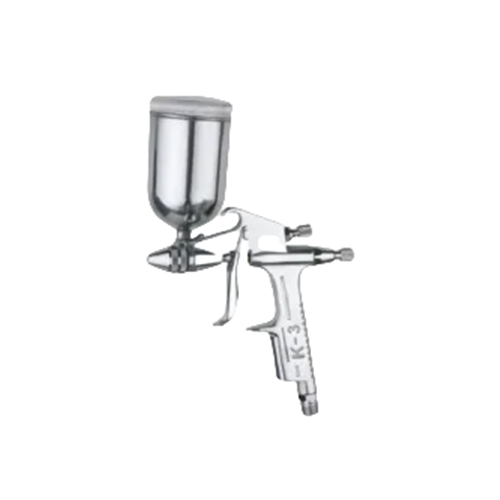
Eco-Friendly Precision: The New Water-based Manual K-3 Touch Up Air Suction Spray Gun Launches
In a significant step for DIY enthusiasts, automotive repair shops, and small-scale woodworking professionals, BBS today announced the launch of its innovative K-3 Touch Up Air Suction Spray Gun. This manually operated, siphon-feed gun is specifically engineered for the growing demand for eco-friendly and high-detail finishing work, utilizing water-based paints with unparalleled ease.
-

New York Commercial Warehouse
The advantages that emerged after the recent cooperation with the New York Commercial Warehouse are as follows:
-
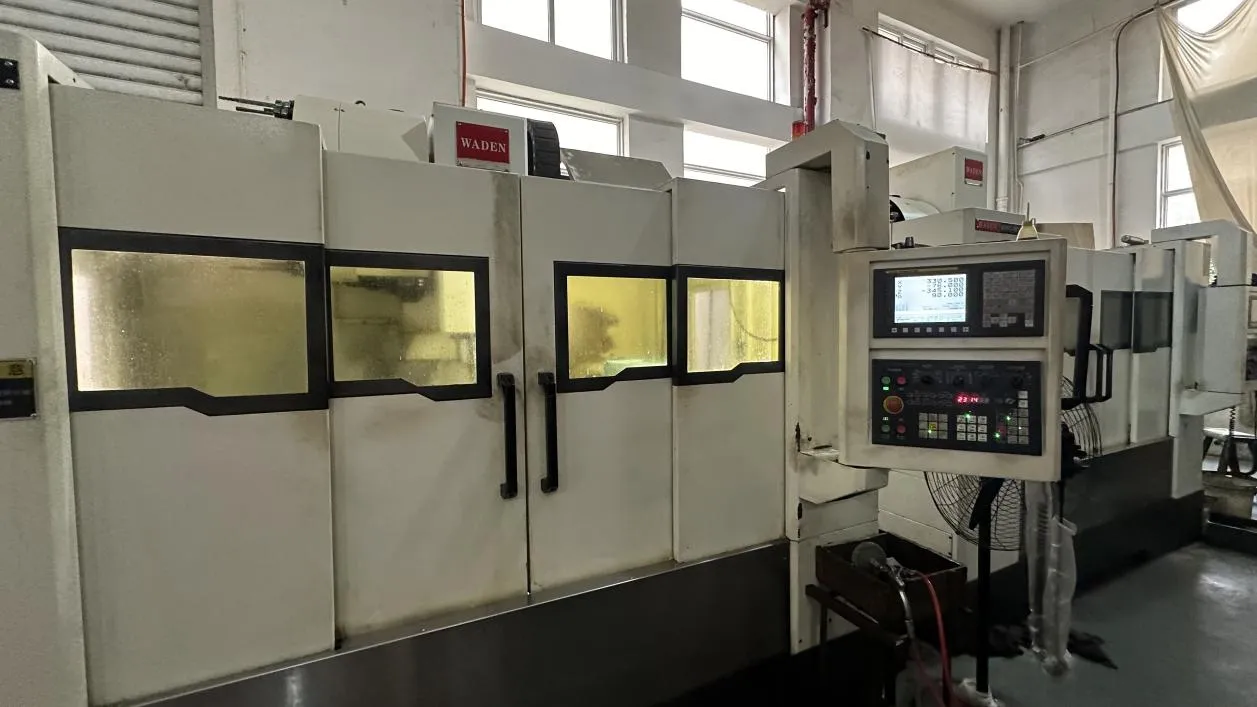
Wenling City Bai Shi Shun Pneumatic Tools Co., Ltd.: Redefining The Benchmark Of Spraying Performance With Military-Grade Precision Manufacturing.
Wenling, June 19, 2025 - Wenling City Bai Shi Shun Pneumatic Tools CO., LTD., a leading domestic manufacturer of spraying equipment, officially announced today that the core components of its new-generation flagship spray gun have achieved a comprehensive technological leap. Relying on the world's top precision manufacturing system, it has set a new standard for performance and durability in the industrial spraying field.
-
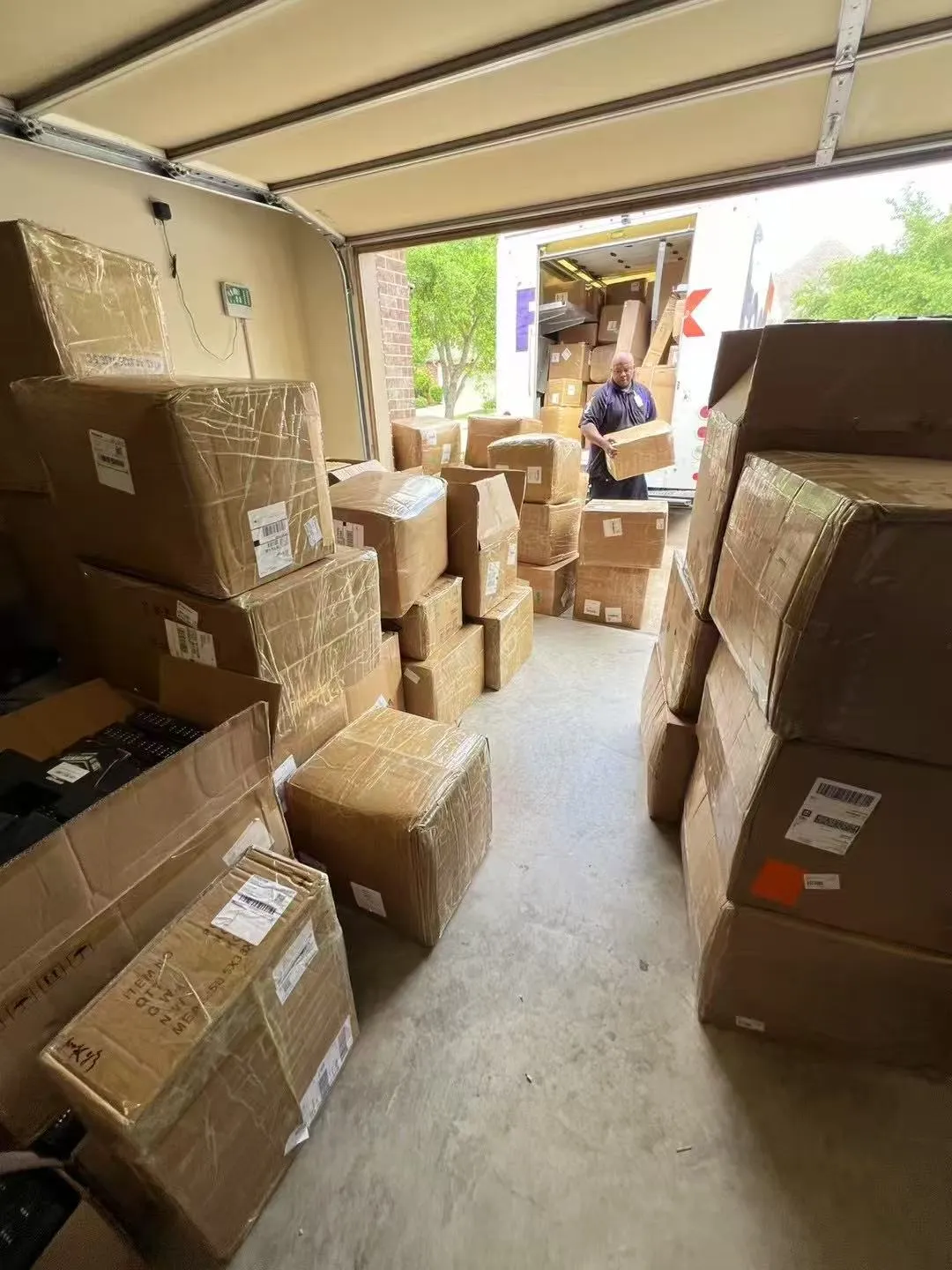
Bai Shi Shun Supply Chain Initiates Localization Strategy in the US: Three Smart Warehouses + Full-Chain Express Matrix to Facilitate Cross-Border Enterprises' Rapid Fulfillment
Today, Wenling City Bai Shi Shun Pneumatic Tools CO., LTD. announced that its three intelligent overseas warehouses located on the west coast (California), east coast (New Jersey), and south (Texas) of the United States have officially started operations.
-
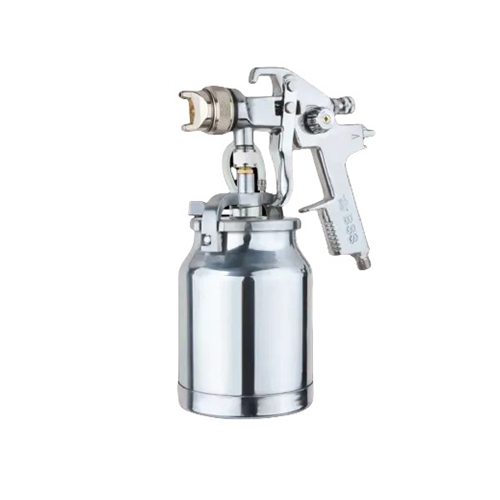
Do HVLP Sprayers Need an Air Compressor? Understanding Power Requirements in 2025
As HVLP spray technology continues to gain popularity in 2025, many DIY enthusiasts and professionals alike are asking: Do HVLP sprayers need an air compressor? The answer depends on the type of HVLP sprayer you’re using, and understanding this distinction is key to choosing the right equipment for your project.
-
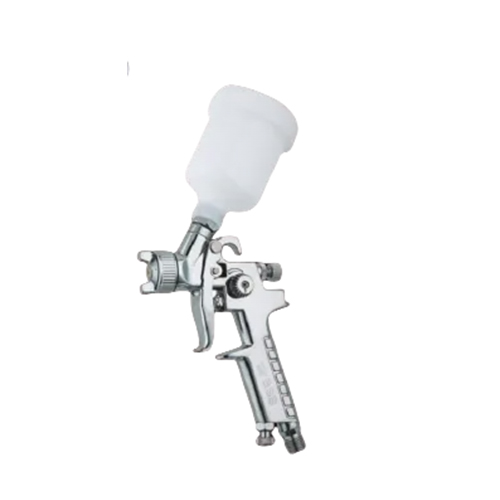
Which Spray Gun is Better, LVLP or HVLP? A 2025 Comparison for Professionals and DIY Users
As spray painting technology continues to evolve in 2025, both professionals and hobbyists are asking: Which spray gun is better, LVLP or HVLP? While both tools offer efficient paint application, they cater to different needs. Understanding their differences in performance, air pressure, paint transfer, and usage scenarios is essential for selecting the right tool.
-
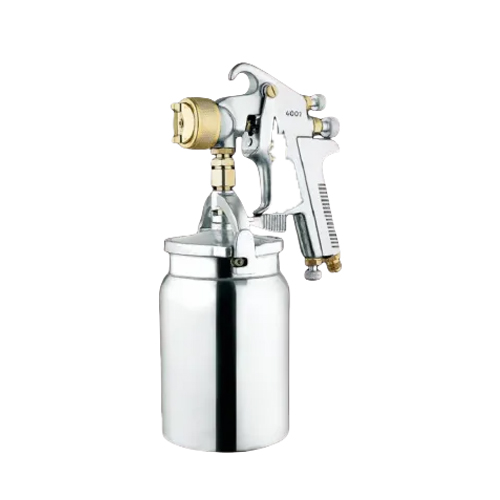
What is an HVLP Spray Gun Good For?
HVLP spray guns are one of the most popular tools in industries such as automotive, woodworking, and home painting. Their unique design allows them to deliver high volume, low-pressure spray patterns that ensure precise application while minimizing overspray. But what makes these spray guns so versatile, and why are they widely used in various fields?
-
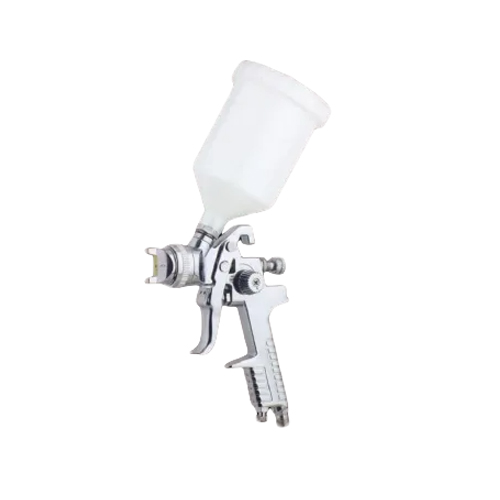
What Are the Advantages of HVLP Spray Guns? Precision, Efficiency, and Eco-Friendly Application in Focus
In 2025, as industries increasingly emphasize sustainability, precision, and cost-efficiency, HVLP spray guns (High Volume Low Pressure) continue to gain popularity across automotive, furniture, and industrial painting applications. But what makes these spray systems stand out in a crowded market of paint tools? Let’s explore the key advantages of HVLP spray guns that are driving widespread adoption.
-
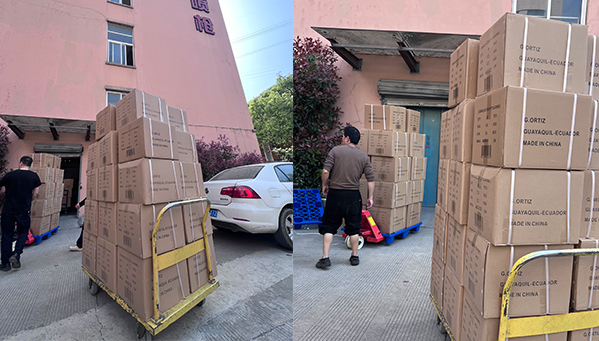
The loading and unloading of containers in April 2025 was successfully completed, and trade logistics continued to be smooth
Recently, with the last container steadily loaded on the transport vehicle, the loading and unloading of containers in April 2025 was successfully completed.
-
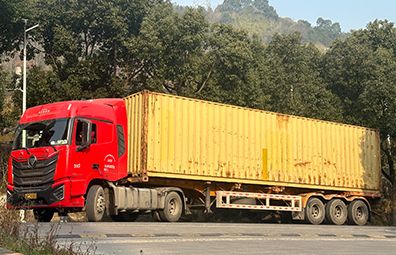
The Staff Of Baishi Shun Are Busily Packing The Exquisite Spray Guns Into Boxes And Containers
The end of the year is approaching, but we are still working overtime to load the containers.
-
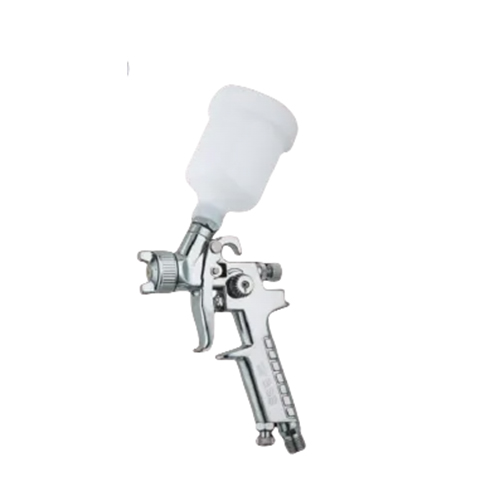
What's the Difference Between HVLP and RP Spray Guns
When it comes to spray painting and finishing, choosing the right type of spray gun can make a significant difference in both the quality of the finish and the efficiency of the process. Two commonly used spray guns in the industry are HVLP and RP spray guns
-
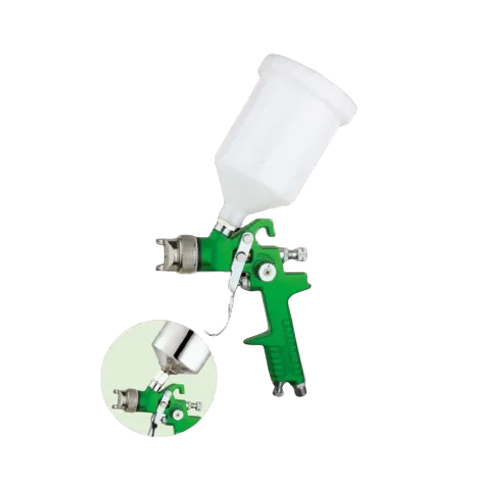
Is HVLP or LVLP Better for Beginners?
For those new to the world of spray painting, whether for automotive refinishing, furniture restoration, or home improvement projects, one of the first questions they often face is choosing the right spray gun. Two popular options that frequently come up in this conversation are HVLP and LVLP spray guns.
-
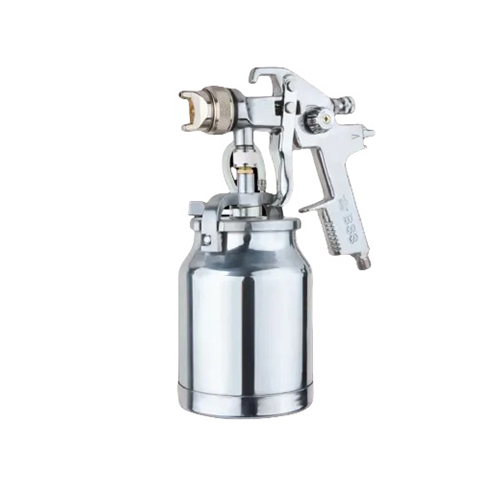
What Spray Guns Do Professionals Use?
In the world of painting and coating, professionals rely on high-quality tools to ensure flawless results. Among these, spray guns are an essential part of any skilled painter's toolkit. Whether it's automotive refinishing, furniture restoration, or large-scale industrial projects, the type of spray gun used can significantly impact the quality, efficiency, and finish of the work.
-
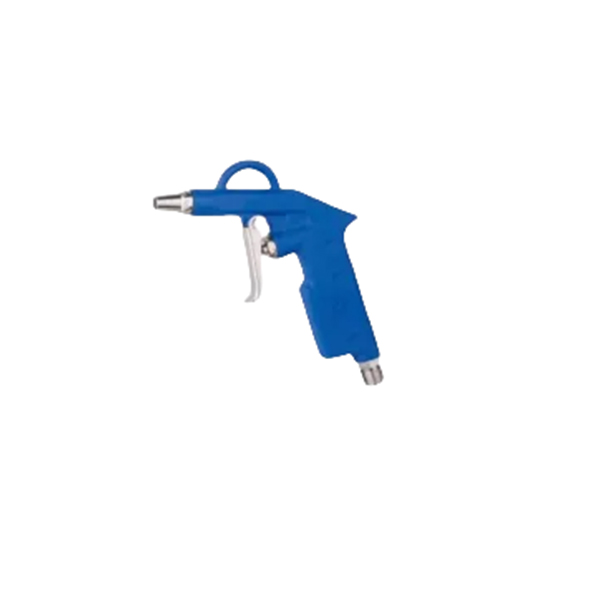
Pneumatic Tools: Revolutionizing Industrial Applications with Advanced Spray Guns
In the fast-paced world of industrial manufacturing, precision and efficiency are paramount. Pneumatic tools, particularly spray guns, have become indispensable in various industries, including automotive, construction, and coatings. These tools offer high performance and reliability, ensuring consistent results across different applications.
-
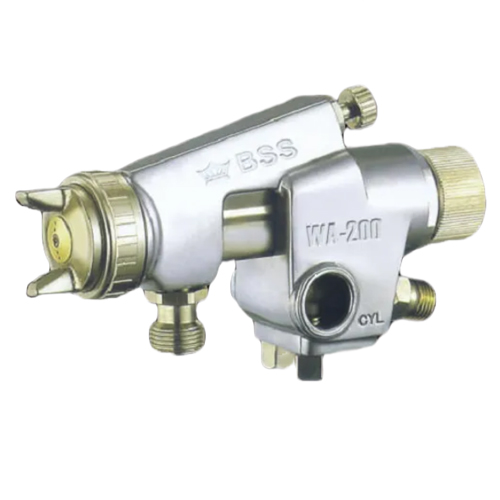
What Size Air Compressor is Needed for Spray Painting?
Choosing the right air compressor for spray painting can make all the difference in achieving a smooth, even finish. When selecting an air compressor for spray painting, it’s essential to understand how air requirements vary based on the type of spray gun and the nature of the project. Here’s a breakdown to help you pick the best size.
-
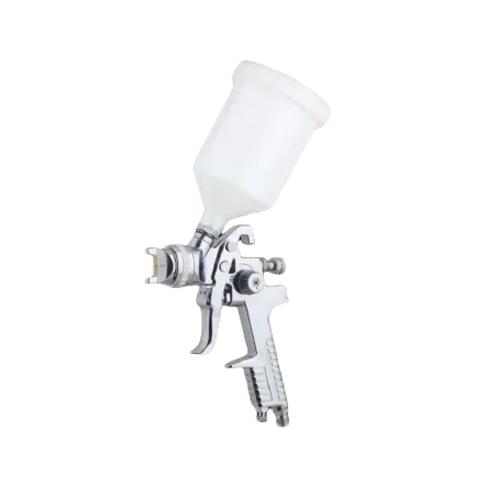
What Type of Spray Gun Is Best for Painting Cars?
When it comes to painting cars, selecting the right spray gun is essential to achieving a smooth, professional-grade finish. Car painting demands precision, consistency, and control, making it crucial to understand which spray gun types best meet the specific requirements of automotive applications. Whether you’re a seasoned car painter or a hobbyist, knowing the best spray gun options for this purpose can elevate your results significantly.
-
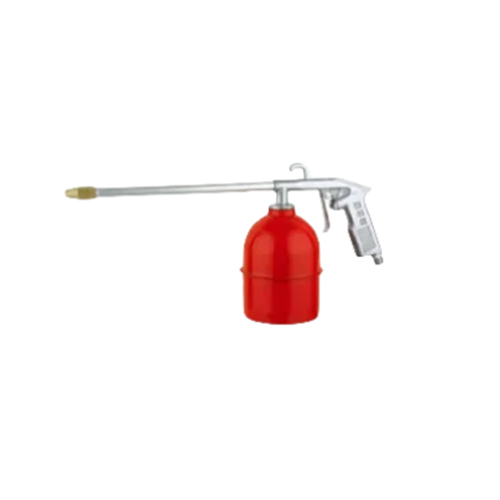
Which is better, air or airless paint sprayer
The choice between an air paint sprayer and an airless paint sprayer depends largely on your project needs, desired finish quality, and budget. Here’s a breakdown of each type to help you decide:
-
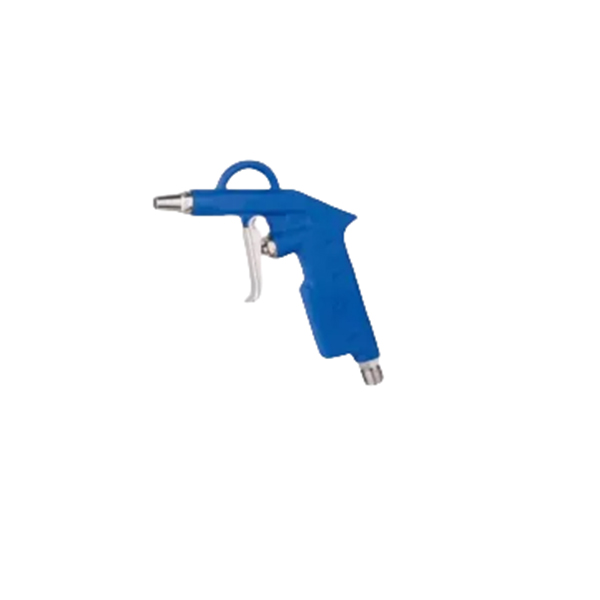
Can You Put Any Paint in an Air Spray Gun?
Air spray guns have become essential tools for achieving smooth, professional paint finishes in a variety of applications, from automotive and furniture refinishing to wall and ceiling painting. However, one question frequently arises among users: Can you put any paint in an air spray gun?
-
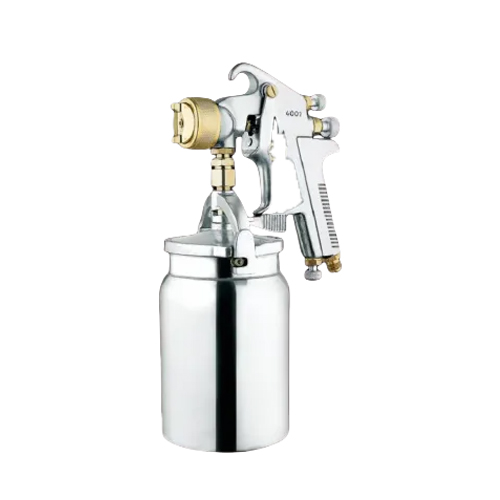
Exploring BaiShiShun Pneumatic Tools: A Leading Spray Gun Factory
BaiShiShun Pneumatic Tools has established itself as a prominent spray gun factory, producing high-quality pneumatic tools trusted by professionals and DIY enthusiasts alike. Known for precision engineering and innovative designs, BaiShiShun Pneumatic Tools has become a reliable name in the world of spray guns, providing solutions that meet various industrial and automotive needs.
-
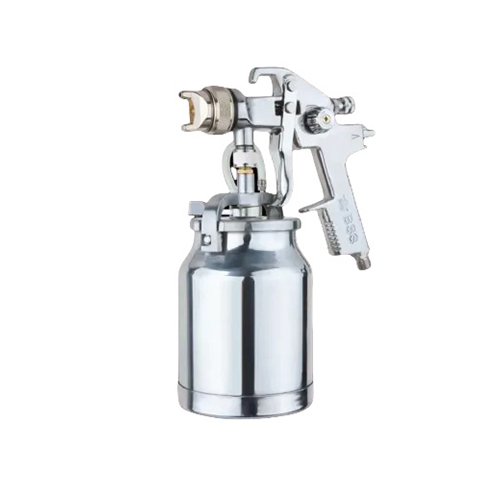
The Applications of HVLP Spray Guns: Efficiency Meets Precision
HVLP spray guns are revolutionizing the painting and finishing industries, offering a perfect blend of efficiency and precision. These tools are gaining popularity among professionals and DIY enthusiasts alike, thanks to their ability to minimize overspray while delivering a high-quality finish.
-
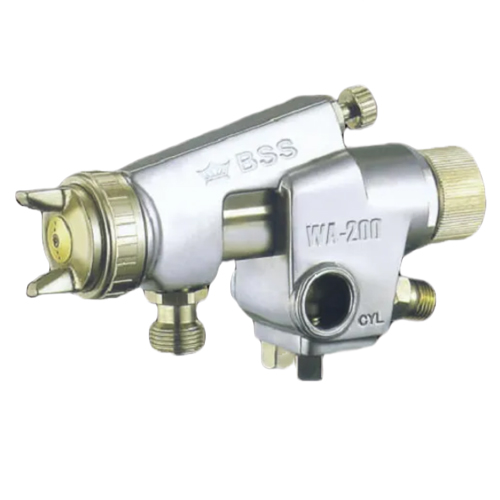
How Do You Use an Automatic Spray Gun?
The use of automatic spray guns has become increasingly popular among both professional painters and DIY enthusiasts, thanks to their efficiency and ability to deliver a smooth, even finish. Understanding how to effectively use an automatic spray gun can significantly enhance your painting experience and results.
-
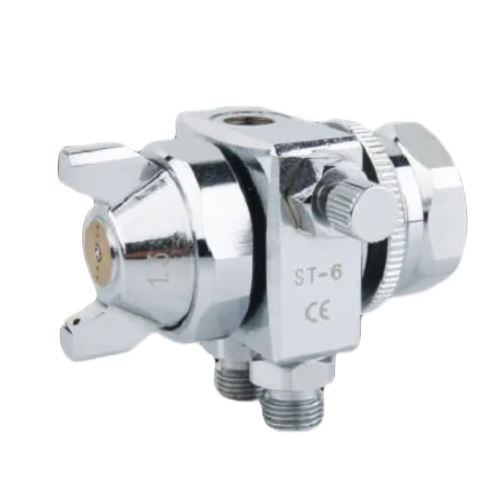
How Does an Automatic Spray Gun Work?
Automatic spray guns are transforming the painting and finishing industries by providing efficient and consistent application of coatings. Understanding how these innovative tools operate reveals the technology and engineering behind their effectiveness, which benefits both professionals and hobbyists alike.
-
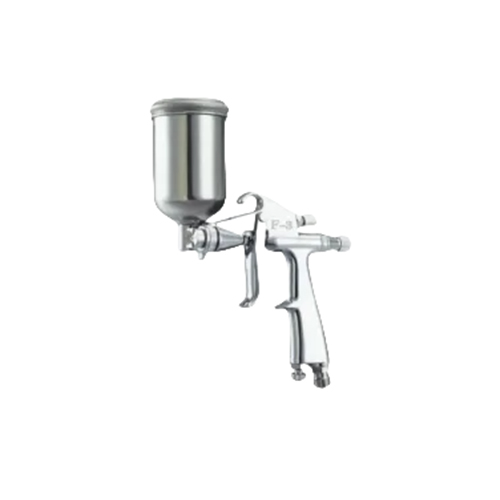
Innovations in Precision: The Rise of Touch Up Spray Guns
In the world of painting and finishing, precision is key, and the latest advancements in touch-up spray gun technology are setting new standards for both professionals and DIY enthusiasts. These innovative tools are designed to provide quick, efficient, and high-quality finishes on a variety of surfaces, making them an essential addition to any painter's toolkit.
-
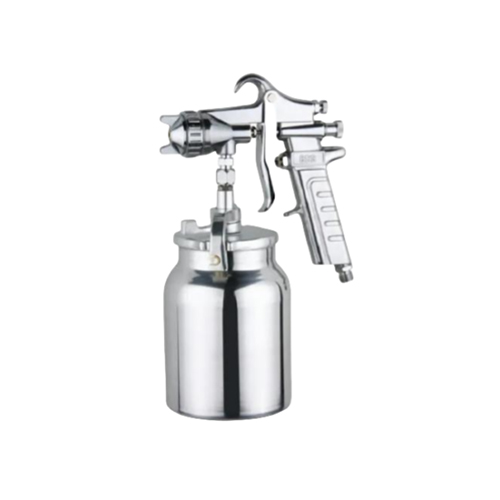
What is an Advantage of a High Pressure Sprayer?
High pressure sprayers have become indispensable tools in various industries, offering unique advantages that enhance efficiency and effectiveness in numerous applications. Understanding the benefits of these sprayers can help users appreciate their value in tasks ranging from painting to cleaning and agricultural spraying.
-
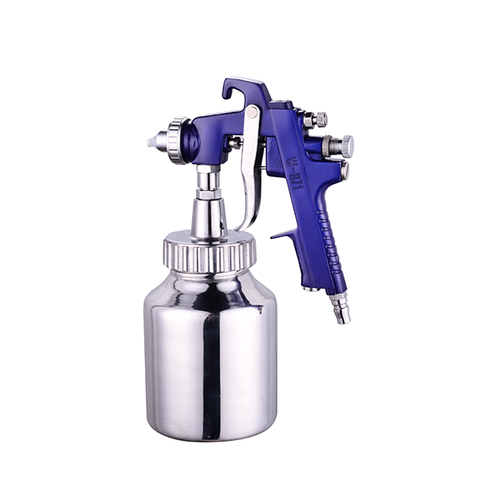
What is the Best Pressure for a Spray Gun?
Choosing the right pressure for a spray gun is crucial for achieving optimal results in painting, coating, and cleaning applications. Understanding the ideal pressure settings can help users maximize efficiency, enhance finish quality, and minimize waste.
-

What is the Difference Between HVLP and High Pressure Spray Guns?
When it comes to painting and finishing projects, choosing the right spray gun can significantly impact the final result. Two popular options are High Volume Low Pressure (HVLP) spray guns and high pressure spray guns. Understanding the differences between these two types can help users select the best tool for their specific needs.
-
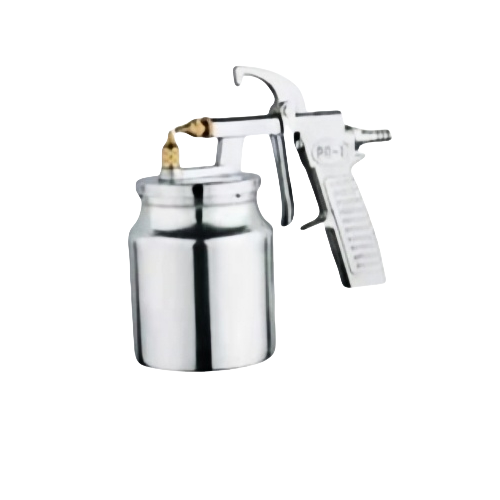
What is a High Pressure Spray Gun Used For?
High pressure spray guns are versatile tools widely used across various industries for their efficiency and effectiveness in applying coatings, cleaning surfaces, and even in agricultural applications. Understanding their functions and benefits can help users make the most of this powerful equipment.
-
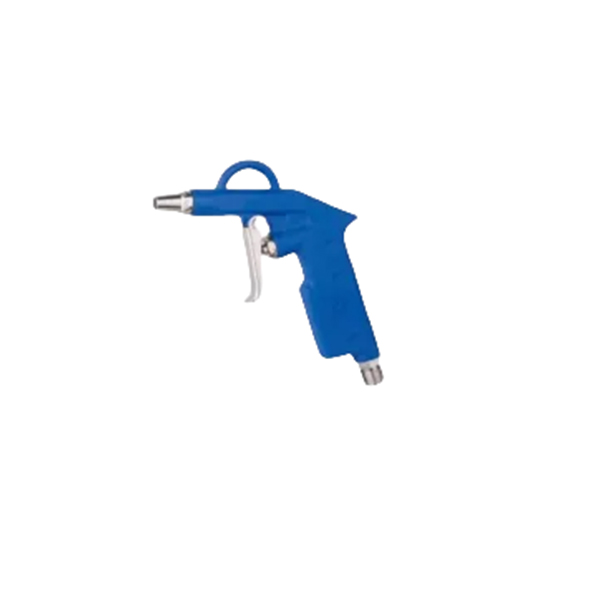
Are Air Dusters Safe?
As cleaning tools designed to blow away dust and debris, air dusters have gained popularity in both professional and home settings. However, safety is a primary concern for many users. So, are air dusters safe to use? The answer lies in understanding their design, features, and proper usage.
-
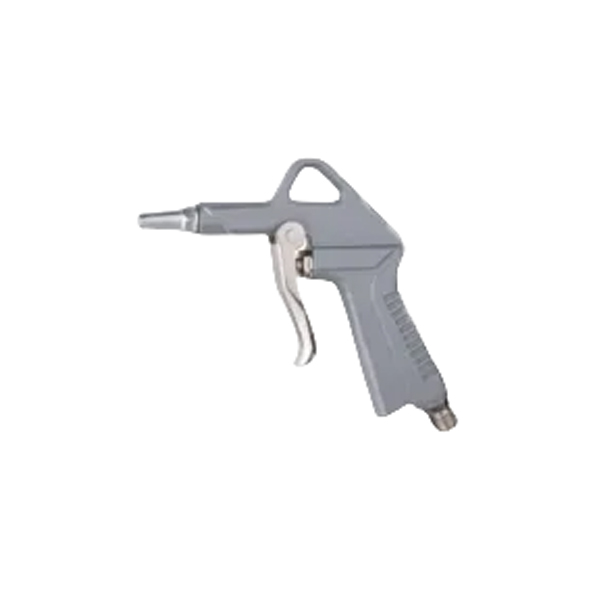
What is an air duster gun
In various cleaning and maintenance scenarios, you often hear the name of the tool "air duster gun", but do you really understand it?
-
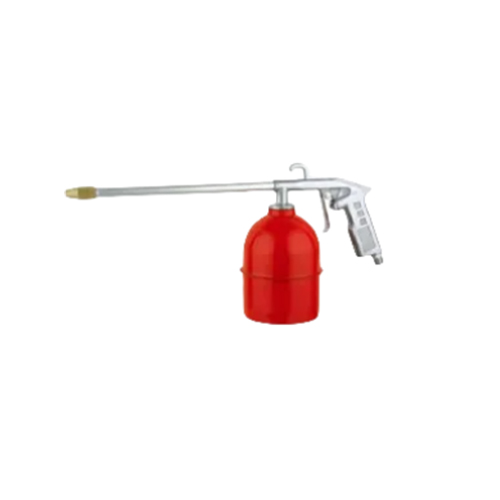
What Size Spray Gun Do I Need to Paint My Car?
When it comes to painting your car, choosing the right size spray gun is crucial for achieving a professional finish. Whether you're a DIY enthusiast or a professional auto painter, selecting the appropriate spray gun can make a significant difference in the quality of your work. Here’s a comprehensive guide to help you determine the best spray gun size for your car painting project.
-
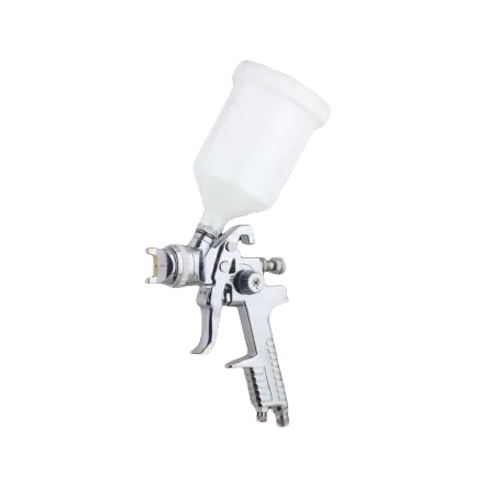
What Type of Spray Gun is Best for Automotive Paint?
In the field of automotive painting, choosing the right spray gun is essential to achieve a perfect painting effect. With the increasing requirements for painting quality in the automotive manufacturing and restoration industries, a variety of spray gun types have emerged on the market. Now let's explain several different types of spray guns, especially Air Gravity Spray Gun, and their applications in automotive painting.
-
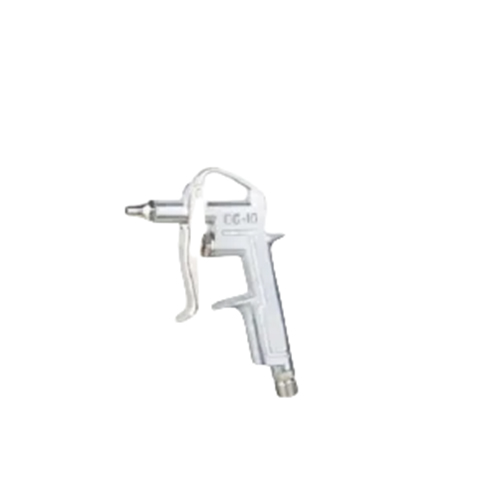
Exploring the Spray Gun: A Key Tool for the Painting Revolution
In today's industrial and home decoration fields, the Spray Gun has become an indispensable tool. Its high efficiency and precision have made it widely used in many fields. Whether in large-scale automobile manufacturing plants or in home decoration, spray guns play an important role, greatly improving the speed and quality of painting.
-
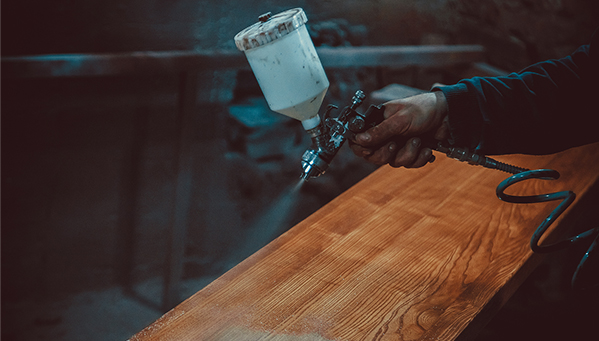
E70 Sold Out!!
E70 sold out!! High pressure spray gun, aluminum pot on the pot, domestic and foreign customers repeatedly order this model
-

Automatic Spray Guns: Automation Revolution and Historical Origin of Spraying Technology
In the long history of spraying technology, the invention of Automatic Spray Guns is undoubtedly a milestone event, which marks a solid step forward in the spraying industry from manual operation to automation and efficiency. This article will explore the historical origins of automatic spray guns and how it has gradually developed into an indispensable and important tool in modern industry.
-
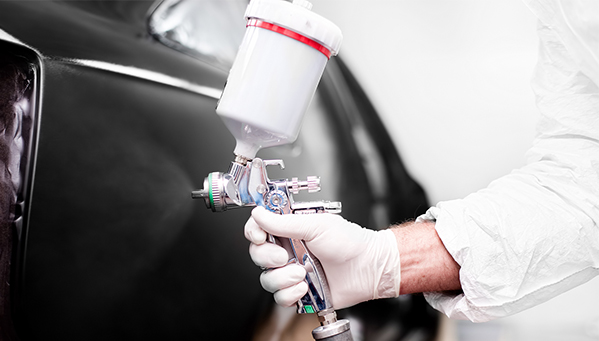
About W-71S Spray Guns
Recently, the highly anticipated W-71S Spray Guns in the market have become the new favorite in the spraying industry with their excellent performance and unique design. This spray gun has won the favor of the majority of users with its excellent spraying effect, convenient operation experience and reliable quality assurance.
-
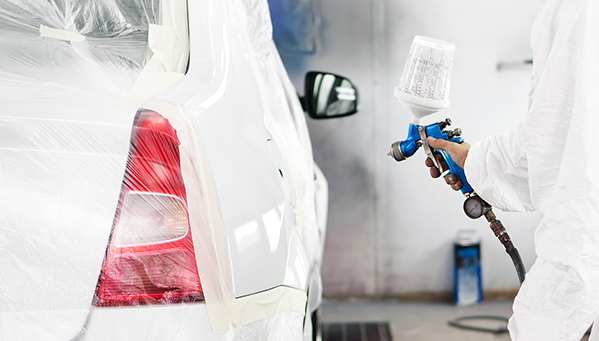
How To Choose A Suitable Spray Gun
First, determine the usage scenario of the spray gun, whether it is industrial coating, home decoration, car repair or other purposes.
-
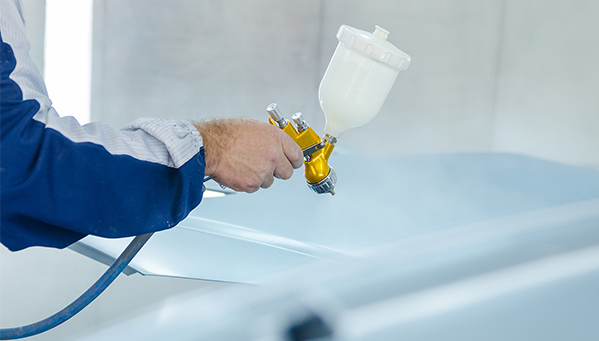
About Wenling BaiShishun Pneumatic Tools Co., Ltd
Wenling Baishishun Pneumatic Tools Co., Ltd. is located in Wenling, Zhejiang, a coastal city with convenient transportation, beautiful environment and developed economy. Our company focuses on the production of pneumatic tools.
-
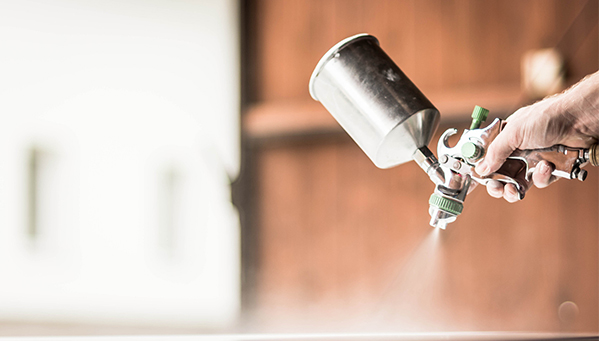
Precautions For Using A Spray Gun
As an important spraying equipment, the spray gun is widely used in industry, construction, automobiles and other fields.


